

Your visit
From your first call to your follow-up, we want nothing about your appointment to be a surprise.
Your visit, step by step
- 01
Scheduling
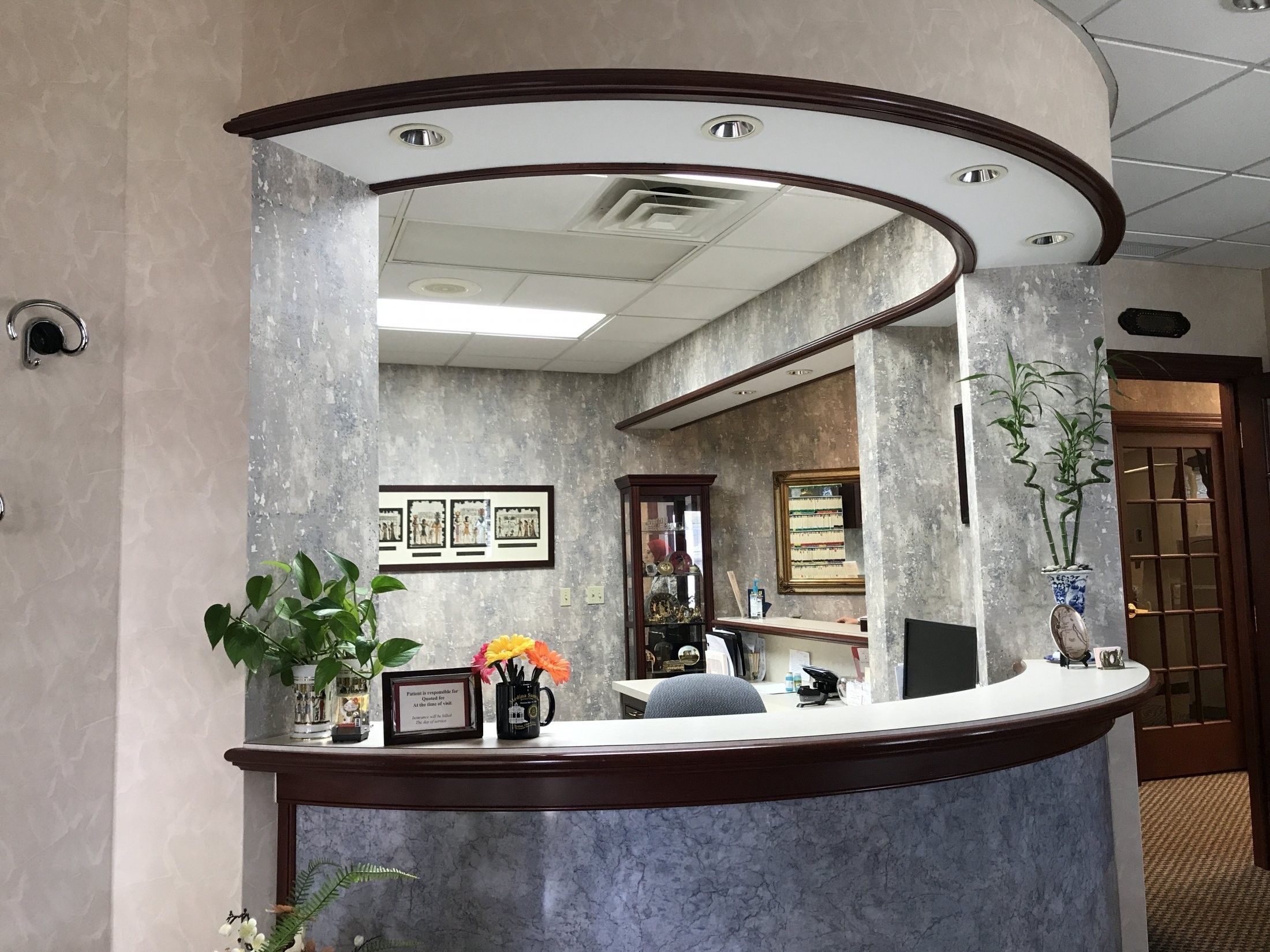
Call or text 330-721-1350, or send a request online. Jennifer, our administrative assistant, will help you plan your appointment. If you are in pain we try to see you the same day. Earlier morning times are available on request.
- 02
Your forms
Once you are scheduled, we send you a registration code for the patient portal, where you complete and sign your forms at home.

- 03
Your consultation
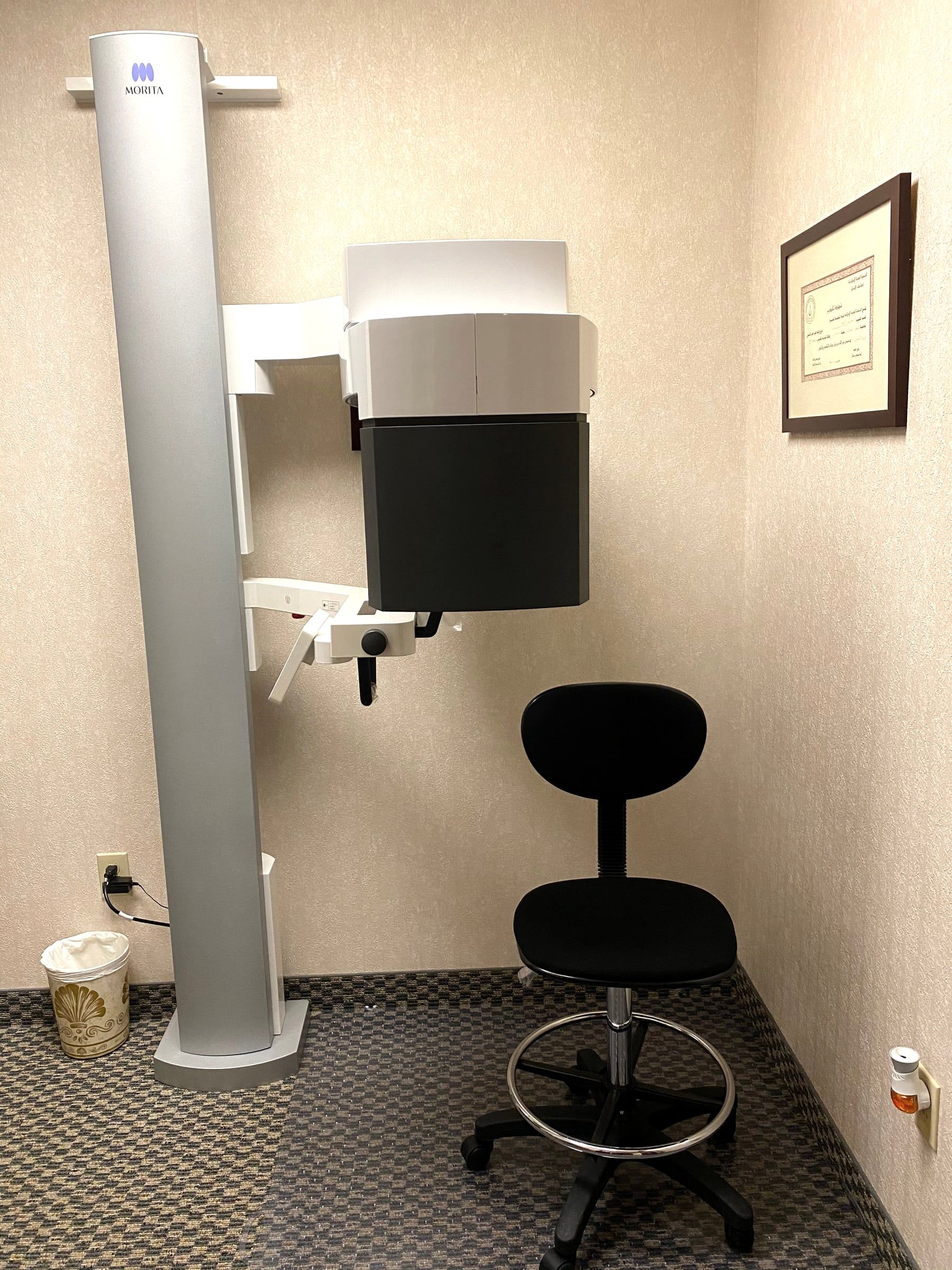
Dr. El-Refai examines the tooth, takes and reads your 2D and 3D images herself, and walks you through her findings and your options. If you are in pain, we get you comfortable that day.
- 04
Treatment
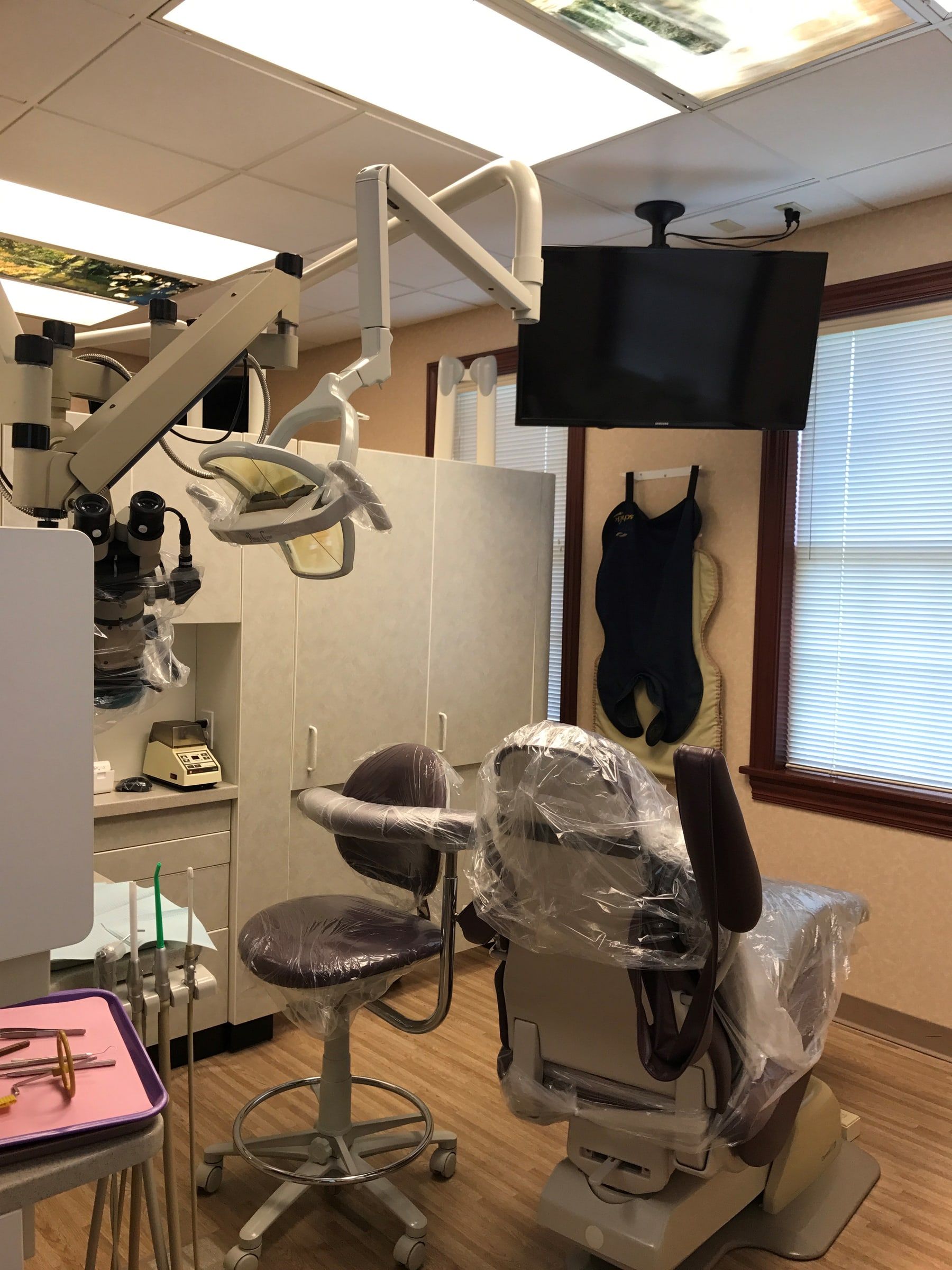
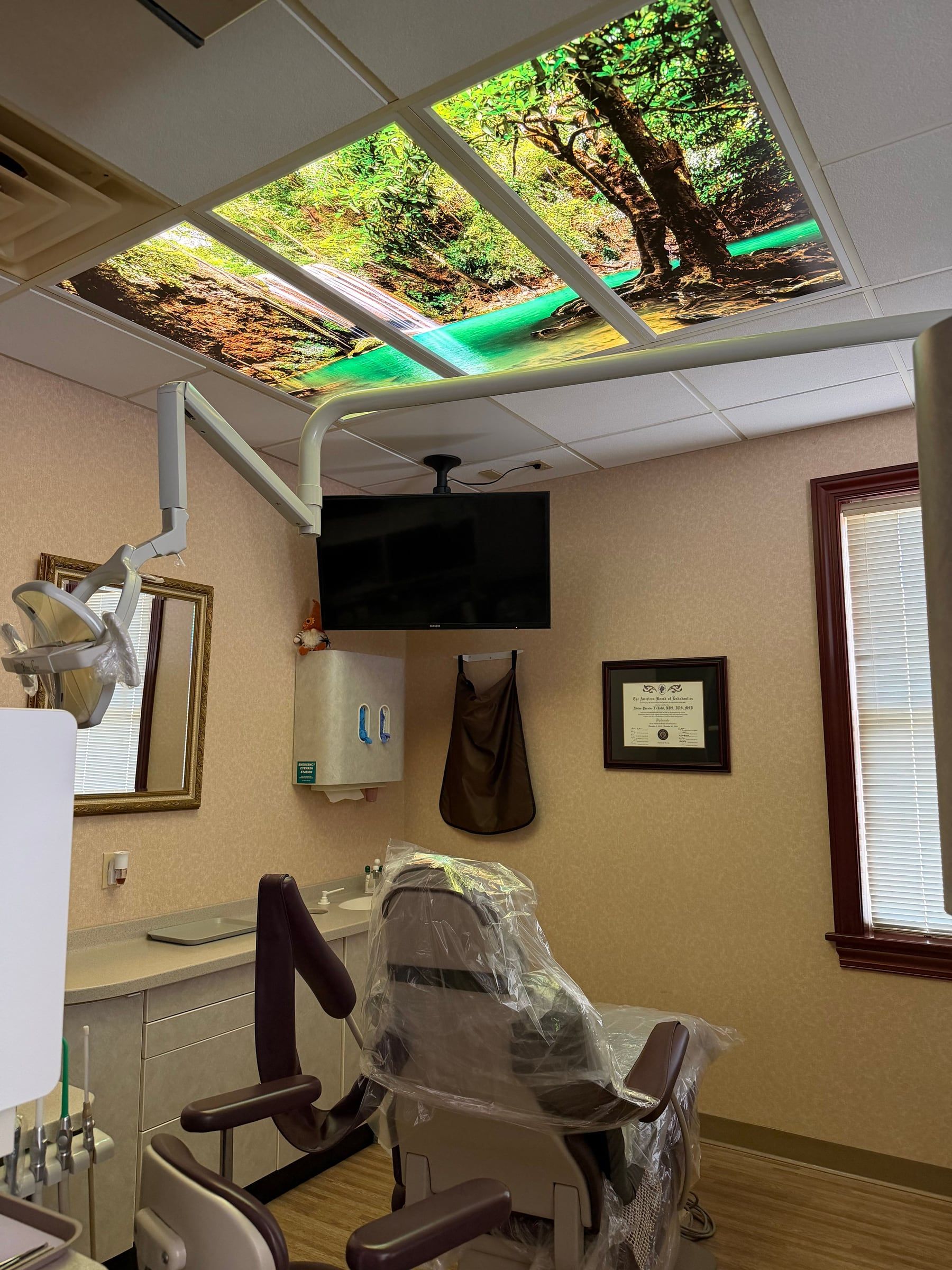
Calm, unhurried, and usually completed in one visit. Local anesthetic keeps you comfortable, and sedation is an option if you feel anxious. You are offered a warm blanket and dark glasses against the bright light, with soft classical music playing throughout the office.
- 05
Afterward
Your tooth leaves with a permanent filling. Expect some tenderness for a few days, and see your dentist for the final crown if one is needed. A short check-up with us in the following month is included.
If you are nervous
Many people arrive worried about a root canal. In this short video from the American Association of Endodontists, patients describe their treatment and endodontists explain what a root canal is.
Small comforts at every visit
We want you to feel relaxed from the moment you walk in.
- A warm blanket, offered to every patient
- Soft classical music throughout the office
- Dark protective glasses to keep the bright light from your eyes
- One-visit appointments whenever it is feasible
Local anesthetic numbs the tooth for every treatment. If you feel anxious, you can seek oral sedation from your medical doctor, or we can schedule you for IV sedation with a board-certified anesthesiologist, who comes to our office. IV sedation is an optional addition to your treatment plan.
Please bring
- Your dental insurance card, if you have one
- A list of your medications
- Any referral slip or x-rays from your dentist
- Your completed forms from the patient portal, if you can
Appointments missed or cancelled with less than 48 business hours' notice carry a fee. Emergencies can occasionally cause delays; we work hard to stay on schedule and appreciate your patience.
Before your appointment
- Eat a full breakfast or lunch, unless you have been told otherwise for sedation.
- Keep taking your regular medications for blood pressure, diabetes, thyroid or other conditions, as your physician recommends.
- If your physician or dentist has told you to take antibiotics before dental visits, for example because of a heart condition or a joint replacement, take them as directed on the day of your appointment.
- If you can safely take ibuprofen (Advil) or naproxen (Aleve), a normal dose 2 to 4 hours before treatment helps reduce inflammation and the discomfort afterward.
- Questions about any of these? Call us before your appointment.
After treatment
- Some tenderness in the tooth and gum for several days is normal.
- Ibuprofen (Advil), aspirin or acetaminophen (Tylenol), taken as directed, usually eases it. Avoid alcohol while taking them.
- Chew on the other side until your tooth is fully restored. A treated tooth is more likely to crack until it has its final restoration, usually a crown. If the tooth has lost a lot of its structure, your dentist or Dr. El-Refai may place a post and core build-up inside it first; they decide together on the restoration that best protects your tooth.
- Eat soft foods for the first day or two, and avoid sticky, chewy or hard foods.
- Keep brushing and flossing as usual.
- If discomfort is not controlled by these medications, or if swelling develops, call us right away. Patients of ours can reach us day or night: after hours, call 330-416-8297, and have your pharmacy's phone number handy.

Relief starts with a call
Call or text, and we will find the soonest time that works. If you are in pain, tell us when you call, and we will do everything we can to see you the same day.